


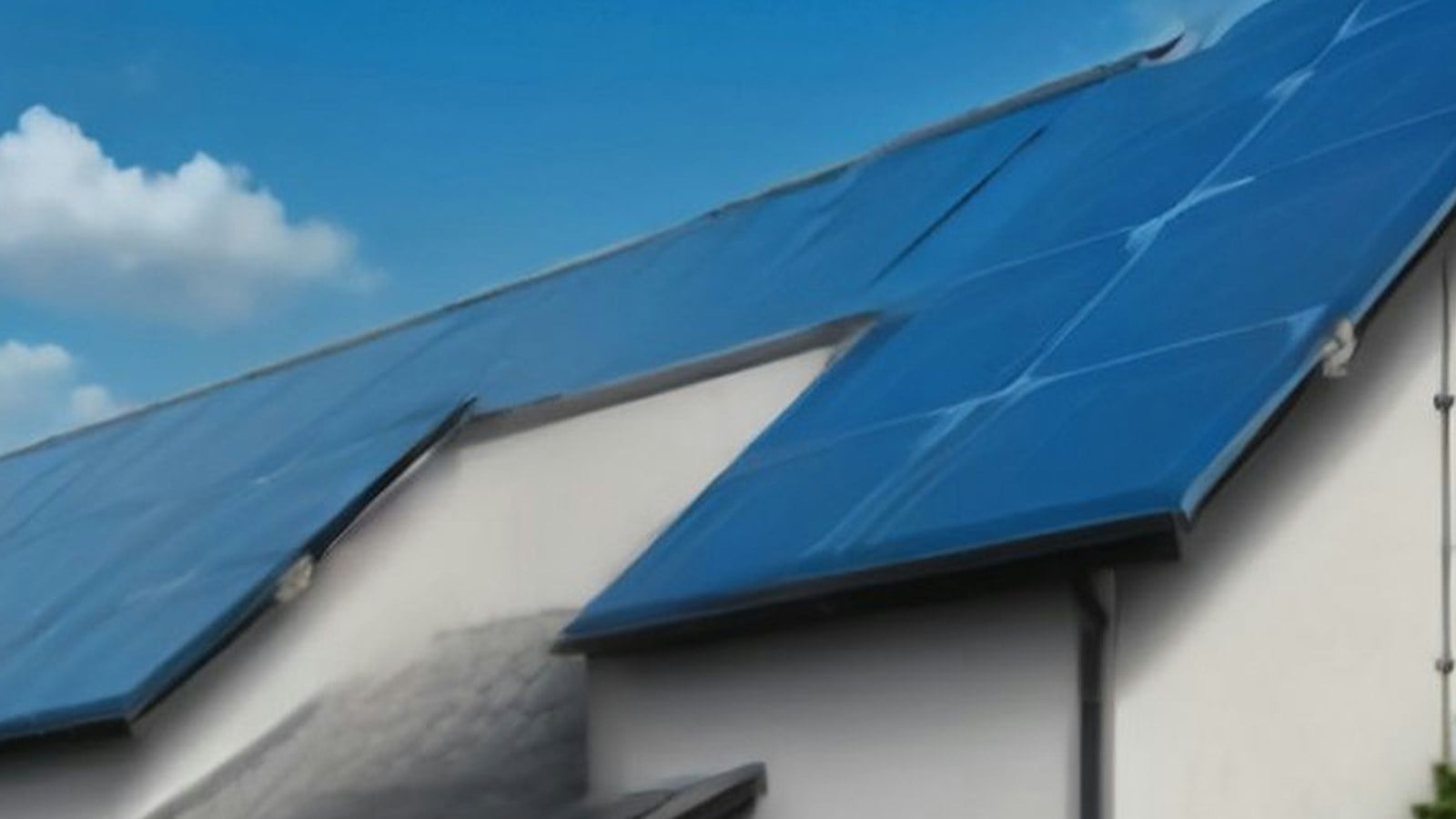
Solar panels are a common sight on rooftops across Leland, Wilmington, Hampstead and the beach towns. When you shop for a home that already has them, the panels can be a real perk, or a source of surprise paperwork at closing. The difference often comes down to one question: does the seller own the system, or is it leased or financed? Here is a practical guide for Cape Fear buyers considering a home with solar.
Start With Ownership: Owned, Financed or Leased
Owned Outright
If the seller paid for the system in full, the panels are generally treated like other fixtures and convey with the house. Ask for the installation date, warranty documents, monitoring app access and any maintenance records.
Financed With a Loan
Some systems are financed with a solar loan. Depending on how the loan was set up, the lender may have filed a lien or financing statement tied to the equipment. That usually needs to be paid off or otherwise resolved before or at closing. Your closing attorney should search for any filings early.
Leased or Under a Power Purchase Agreement
With a lease or power purchase agreement, a third-party company owns the panels, and the homeowner pays for the system or the power it produces. If you buy the home, you may be asked to take over the contract, or the seller may need to buy it out. Before you commit, get a copy of the agreement and review:
- The monthly payment and any annual increases
- How many years remain on the term
- Transfer requirements, including credit approval for the new owner
- Buyout options and costs
- Who is responsible for repairs and for removing and reinstalling panels during a roof replacement
Do not rely on assumptions about ownership. Request the solar paperwork directly and review it during your due diligence period. Our due diligence guide explains how that window works.
Tax Credits: What Has Changed
Many sellers installed solar while the federal Residential Clean Energy Credit was available. According to the IRS, that credit does not apply to expenditures made after Dec. 31, 2025, following the 2025 law commonly known as the One, Big, Beautiful Bill. In practical terms, if you are buying a home with existing panels, any federal credit was the original owner’s, not something that transfers to you. If you plan to add solar yourself, check current rules with a tax professional before counting on any incentive.
A North Carolina Property Tax Break
North Carolina law excludes 80% of the appraised value of a solar energy electric system from property taxes, under G.S. 105-275(45). That helps keep the system from significantly raising the home’s tax bill.
HOA Rules and Solar
If you are buying in a neighborhood with an HOA, North Carolina law offers some protection. Under G.S. 22B-20, deed restrictions or covenants that would prohibit, or have the effect of prohibiting, residential solar collectors are generally void. Associations can still regulate location or screening, as long as the rules do not prevent reasonable use. The protection does not cover condominiums in multi-story buildings with horizontal unit boundaries, and there are other exceptions, so review the HOA documents carefully. Our guide to buying in an HOA community has more to check.
Inspection and Coastal Considerations
- Roof age and condition. Panels sit on the roof for decades. If the roof is older, ask how a replacement would be handled and at what cost.
- Wind and storms. Ask about mounting and whether the system has any storm-related repair history. Your home inspector can note visible issues, and a solar contractor can evaluate the system itself.
- Insurance. Confirm your homeowners policy covers the panels, especially if you own them. Coastal insurance can be complex; see our FORTIFIED roof and insurance guide.
- Performance. Request 12 months of electric bills and production data if available. Rates and credits for solar customers depend on your electric provider, which may be Duke Energy or a local electric cooperative, so ask the provider how your account would be billed.
For a full overview of inspections, read our guide to home inspections on the Cape Fear coast.
FAQ: Buying a Home With Solar Panels
Do solar panels always convey with the house?
Owned systems generally convey as fixtures. Leased systems belong to a third party, so the lease must be transferred or bought out.
Can I claim the federal solar tax credit on a home I buy?
No. According to the IRS, the Residential Clean Energy Credit does not apply to expenditures made after Dec. 31, 2025, and a credit on an existing system belonged to the owner who paid for the installation.
Can my HOA ban solar panels?
Under G.S. 22B-20, covenants that would prohibit residential solar collectors are generally void, though HOAs can regulate location or screening, and some condominiums are excluded.
Will solar raise my property taxes?
North Carolina excludes 80% of the appraised value of a solar energy electric system from property taxes.
Let’s Look at the Details Together
A home with solar can be a great fit when the paperwork is clear. Talk with Aspyre Collective and we will help you ask the right questions before you buy.