



A home warranty often comes up late in a Cape Fear home sale. A seller offers one to make a listing more attractive, a buyer asks for one in negotiations, or a builder or agent mentions it at closing. These service contracts can help with the cost of certain repairs, but they’re widely misunderstood. Here’s what a home warranty is, what North Carolina’s consumer protection officials recommend you check and how to decide whether one makes sense for your purchase or sale.
What a Home Warranty Is (and Isn’t)
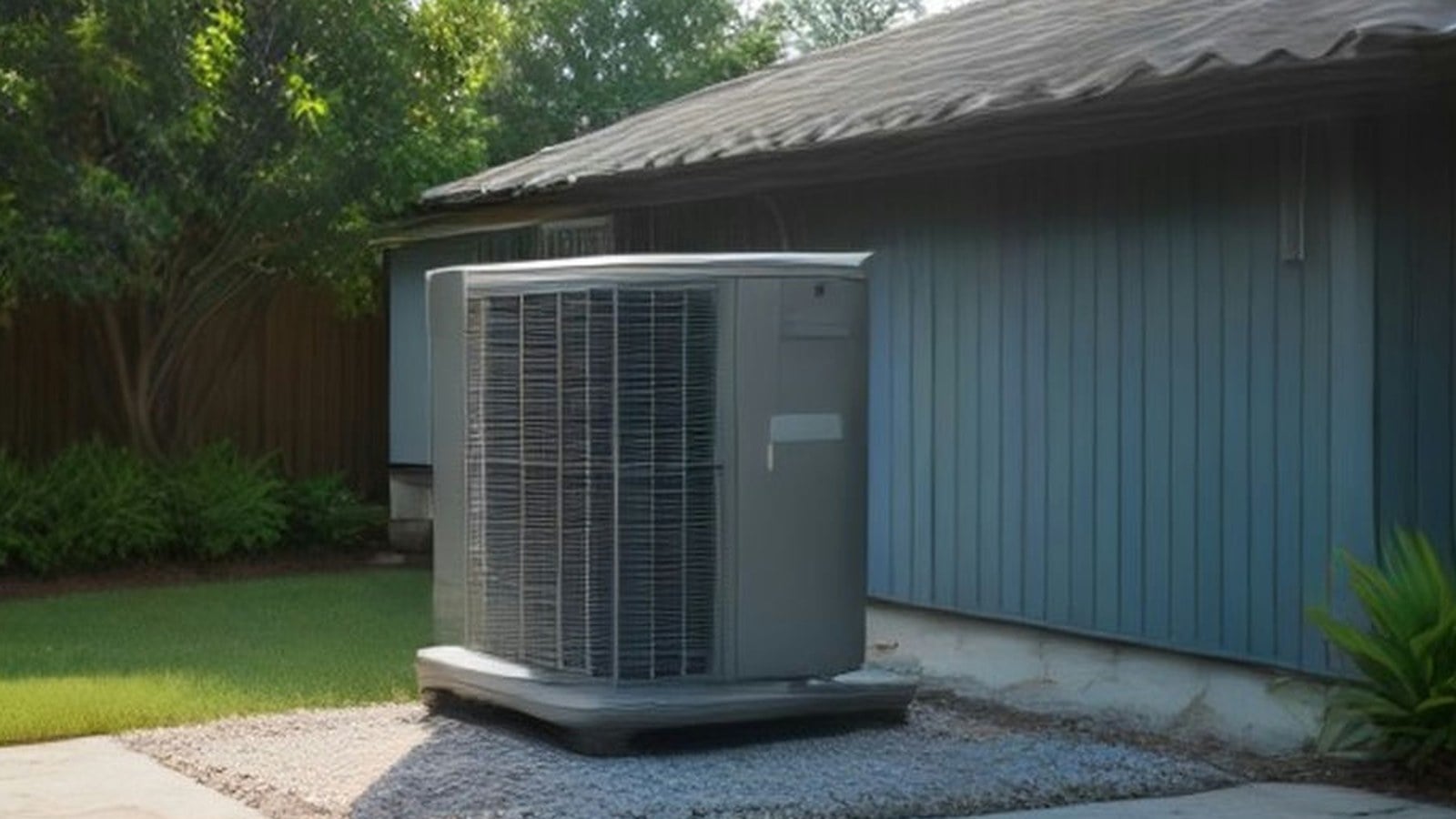
A home warranty is a service contract, usually for one year, that helps pay to repair or replace certain home systems and appliances that fail from normal wear and tear. Typical plans focus on items like heating and air conditioning, water heaters, plumbing, electrical systems and kitchen appliances, with optional add-ons for things like pools or well pumps. You usually pay a service fee each time a technician comes out.
It’s important to know what it isn’t:
- Not homeowners insurance. Insurance covers sudden losses like fire or wind damage. A warranty covers breakdowns. You still need homeowners insurance, and flood insurance is separate.
- Not a substitute for an inspection. A warranty doesn’t tell you the condition of a home before you buy it.
- Not the same as a builder’s warranty. New homes often come with a builder warranty covering workmanship and certain defects. That’s different from a home service contract.
Who Regulates Home Warranties in North Carolina?
This surprises a lot of people. The North Carolina Department of Insurance says it does not regulate companies that sell service agreements. Complaints about a service agreement company go to the North Carolina Attorney General’s Consumer Protection Division. NCDOI also notes that service agreements on home appliances are governed by N.C. General Statutes 66-371 through 66-373, and that companies filing real property warranties must file a surety bond with the Secretary of State under G.S. 58-1-20.
Bottom line: the contract itself is your main protection, so read it closely.
What North Carolina’s Attorney General Recommends
The N.C. Department of Justice’s home warranty guidance offers practical tips before you buy or accept a home warranty:
- Know exactly what is and isn’t covered. Many warranties define terms like “major structural defects” differently than you’d expect.
- Understand what you must do before the company pays. Many contracts replace equipment only with a specific brand or cover work only if you use the company’s contractor.
- Negotiate when you can. If a small contractor offers its own warranty, you may be able to negotiate better terms.
- Have your attorney review it before you sign or accept it.
- Still get a full inspection. Never let a warranty offer stop you from having the house and appliances checked by a licensed home inspector.
- Watch for arbitration clauses. Many contracts require private arbitration for disputes, which means giving up your right to go to court.
Questions to Ask Before You Rely on a Warranty
- What’s the service fee per claim, and is there a cap on payouts for each system?
- Are pre-existing conditions or improper maintenance excluded? These are common reasons claims get denied.
- How does the plan handle code upgrades, permits or haul-away costs?
- Is there a waiting period before coverage starts?
- How quickly do contractors respond in your area, including beach towns and rural parts of Pender and Brunswick counties?
- Can the plan be renewed or transferred if you sell?
On the coast, ask how the plan treats outdoor equipment exposed to salt air, and remember that storm or flood damage is an insurance matter, not a warranty claim.
For Buyers
A seller-paid warranty can be a nice cushion during your first year, especially in an older home. Treat it as a bonus, not a reason to skip due diligence. Get a thorough home inspection and a wood-destroying insect report, and negotiate repairs for known problems. A warranty won’t fix a problem you already knew about.
Buying new construction? Ask the builder for its written warranty and what it covers year by year. Our guide to buying new construction in Leland covers more questions to ask.
For Sellers
Offering a warranty can reassure buyers who worry about aging systems, and some plans offer coverage during the listing period. It doesn’t replace your disclosure duties or a well-maintained home, though. If you want to get ahead of surprises, consider a pre-listing inspection.
FAQ: Home Warranties in North Carolina
Is a home warranty required to buy a home in North Carolina?
No. It’s optional and can be negotiated between buyer and seller.
Who do I contact with a complaint about a home warranty company?
NCDOI directs complaints about service agreement companies to the Attorney General’s Consumer Protection Division.
Does a home warranty cover hurricane damage?
Generally no. Storm and flood damage fall under insurance. Check your contract’s exclusions.
Should I still get an inspection if the seller provides a warranty?
Yes. The Attorney General’s office specifically advises against letting a warranty replace a licensed home inspection.
Have Questions Before You Buy or Sell?
We help clients weigh warranties, inspections and repair negotiations every day. Reach out to Aspyre Collective for local guidance on your next move.