


South of downtown Wilmington, between Carolina Beach Road and the Cape Fear River, sits one of the city’s most distinctive older neighborhoods. Sunset Park has wide curving boulevards, landscaped medians and a mix of bungalows, cottages and mid-century homes that span roughly half a century of Wilmington history. For buyers who love character but want something a little different from the downtown historic core, it is worth a close look. Here is our guide to living in Sunset Park.
Where Sunset Park Is
According to the neighborhood’s National Register of Historic Places nomination, the Sunset Park Historic District covers roughly 225 to 227 acres south of downtown. It is bounded by Southern Boulevard on the south, Burnett Boulevard on the west, Sunset Avenue on the north and Carolina Beach Road on the east. The Cape Fear River lies to the west, and Legion Stadium and Greenfield Lake are just across Carolina Beach Road to the east.
That location keeps you close to downtown, Greenfield Lake Park and the South Front Street area, with Carolina Beach Road as a direct route toward Monkey Junction and Pleasure Island.
A Neighborhood Planned in 1912
Sunset Park was laid out in August 1912 by the Fidelity Trust and Development Company. The nomination says the developers aimed for an upscale suburb with “all city conveniences,” promising streetcar service, electric lights and gas, sewer, paved roads, concrete sidewalks and artesian water. They promoted the scenic river setting and nearby Greenfield Lake, and the nomination calls Sunset Park the first subdivision in the area oriented to the river as a recreational and scenic attraction.
A few details still shape the neighborhood today:
- Boulevards and medians: East-west boulevards were laid out 90 feet wide, with landscaped center islands along Northern and Central boulevards.
- Presidential streets: North-south streets are named for U.S. presidents in order, including Washington, Adams, Jefferson, Monroe, Jackson, Van Buren and Harrison. Tyler Street was later renamed Burnett Boulevard.
- Entrance pergolas: Twin brick and wood pergolas at Northern Boulevard and Carolina Beach Road date to 1912 and once served as a waiting area for the trolley to Greenfield Lake and downtown.
- Typical lots: Original building lots averaged about 50 by 150 feet.
Homes You Will Find
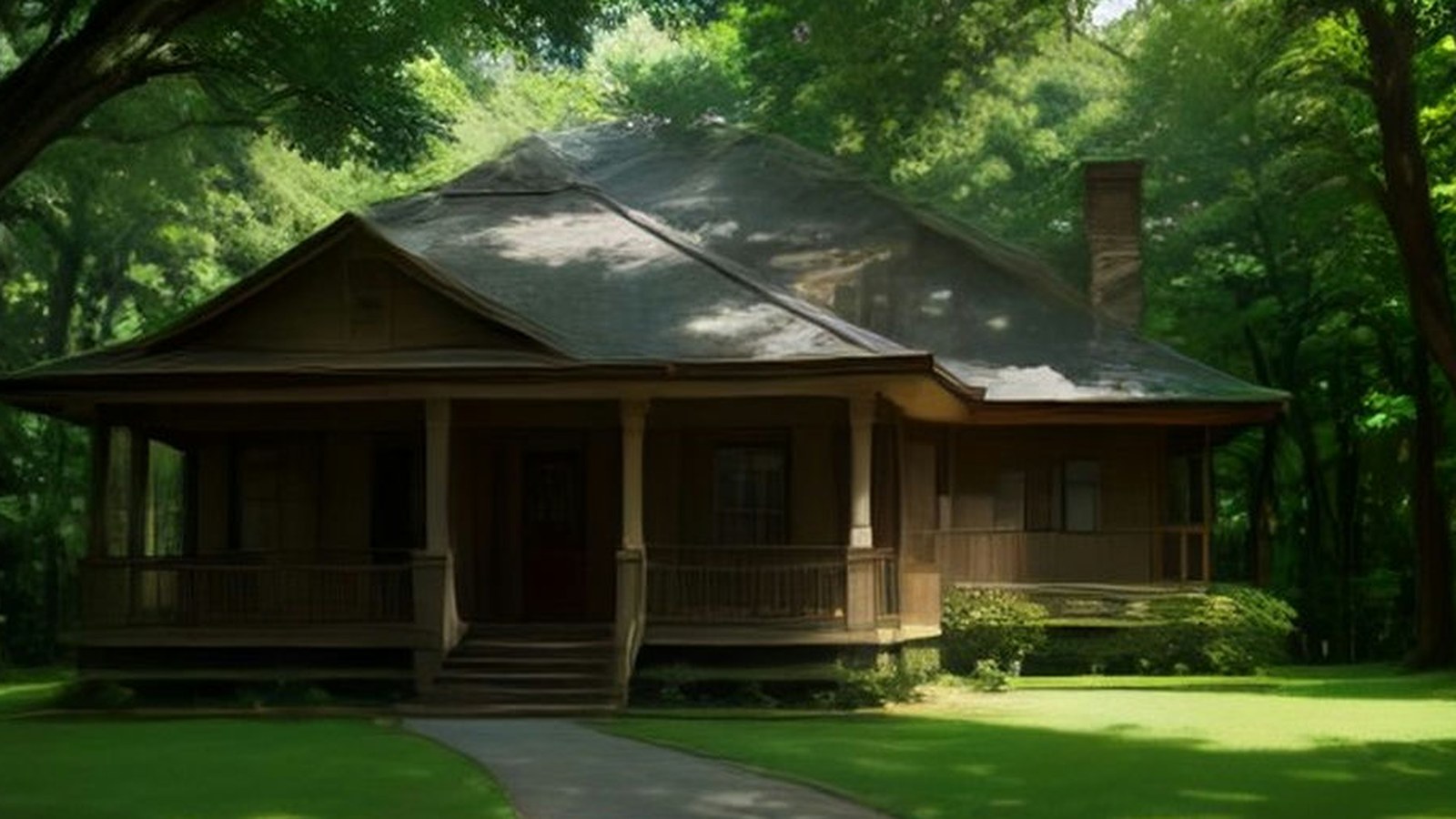
Sunset Park’s history explains its variety. The developers first promoted the California bungalow and built some for sale. Then two world wars and the Depression changed the pace and type of building. During World War I, waterfront land nearby turned to shipbuilding, and small frame houses were built for military families and shipyard workers. World War II brought another wave of modest homes.
The nomination describes most homes as dating from the 1910s to the mid-1950s, in styles including Queen Anne, Craftsman, Tudor Revival, Colonial Revival, Cape Cod and Minimal Traditional, plus ranch houses. The earliest homes are scattered along Northern and Central boulevards, while many 1940s and 1950s houses line the cross streets. The district was listed on the National Register in 2003.
For buyers, that means a broad range: larger early homes on the boulevards, cozy bungalows and cottages, and simpler post-war houses that may appeal to first-time buyers or anyone hoping to renovate.
What National Register Status Means for Owners
National Register listing is largely an honor, and it can open the door to incentives. North Carolina’s State Historic Preservation Office offers a state income tax credit for rehabilitating owner-occupied, non-income-producing historic homes. Buildings that contribute to a National Register historic district are candidates. Key rules include:
- Rehabilitation spending must exceed $10,000 within a 24-month period.
- Eligible expenses are capped at $150,000, for a maximum credit of $22,500.
- Work must meet the Secretary of the Interior’s Standards for Rehabilitation and is reviewed by the State Historic Preservation Office.
- Acquisition costs, new additions, site work and personal property do not qualify.
The office strongly advises owners to consult it before starting work. Not every house in a district is contributing, so confirm a home’s status before you count on a credit. Separately, ask the City of Wilmington whether any local historic design review applies to a specific address. Our guide to buying a historic home in Wilmington explains the difference between National Register listing and local districts.
What to Check Before You Buy
- Age-related systems: Older homes may have original wiring, plumbing or foundations that need evaluation. A thorough inspection is essential; see our home inspection guide.
- Termites and moisture: Crawl spaces and wood framing deserve a close look in our climate.
- Renovation plans: If you plan to expand or add a unit, review the city’s rules first. Our ADU guide is a good starting point.
- Insurance: Get quotes early, since age, roof and systems affect coverage.
FAQ: Living in Sunset Park
Is Sunset Park a historic district?
Yes. The Sunset Park Historic District was listed on the National Register of Historic Places in 2003.
When was Sunset Park built?
It was laid out in 1912, and most homes date from the 1910s through the mid-1950s.
Can I get a tax credit for renovating a Sunset Park home?
Possibly. Contributing homes in National Register districts can qualify for North Carolina’s 15% historic homeowner credit if the work meets state rules and standards.
What is near Sunset Park?
Greenfield Lake and Legion Stadium are across Carolina Beach Road, and downtown Wilmington is a short drive north.
Curious About Sunset Park?
From boulevard bungalows to post-war cottages, Sunset Park offers character close to downtown. Contact Aspyre Collective and we will help you find the right home and understand what owning a piece of Wilmington history involves.