


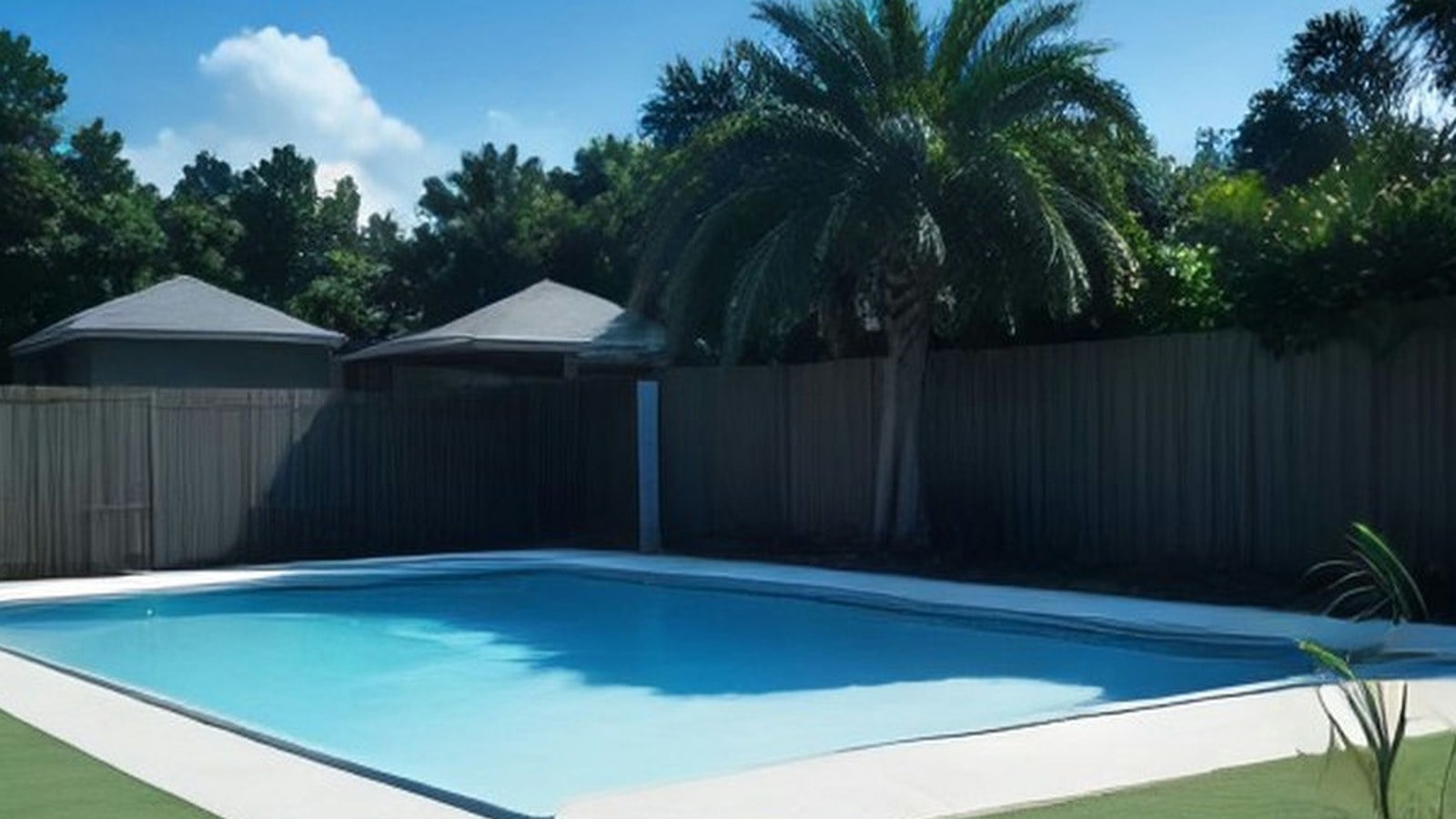
A backyard pool is on many Cape Fear buyers’ wish lists. With long, warm summers, a pool can make a home in Leland, Hampstead, Porters Neck or Southport feel like a private retreat. It also brings its own inspection, safety, insurance and upkeep questions. Here is a practical guide to buying a home with a pool on the North Carolina coast, written to help you budget and plan before you fall for that sparkling water in the listing photos.
Shopping for a Pool Home in the Off-Season
By late fall, many local pools are covered or running on reduced winter schedules. That can make a pool home a little harder to evaluate in November than in June, but it is not a reason to skip it. It just means you should plan your due diligence carefully. If a pool is closed or winterized, ask the seller whether it can be opened or run long enough for an inspector to test the equipment. Find out what the seller will allow before your due diligence period starts.
What a Pool Inspection Should Cover
A standard home inspection may only take a limited look at a pool. Many buyers hire a dedicated pool inspector or pool contractor. Ask about:
- Surface and structure: cracks, plaster wear, liner condition (for vinyl pools), tile and coping.
- Equipment: pump, filter, heater or heat pump, salt chlorine generator, automation and timers. Ask for ages and service records.
- Plumbing and leaks: signs of water loss and suction or return line problems. A pressure test may be recommended.
- Electrical: bonding, grounding, lighting and GFCI protection.
- Drain covers: compliant, secure covers on suction outlets.
- Deck and surroundings: settling, trip hazards, drainage and screen enclosures.
Safety Barriers: What North Carolina’s Code Says
North Carolina’s Residential Code includes a state-specific appendix for pools, spas and hot tubs. In the 2018 code still in effect, that is Appendix V (reviewed Nov. 18, 2026). The newer 2024 code, whose effective date has been repeatedly delayed, carries similar rules in its Appendix NC-A. Under Appendix V, a “swimming pool” includes any structure meant for swimming or recreational bathing that holds water more than 24 inches deep, including in-ground and above-ground pools, spas and hot tubs. Key barrier rules include:
- A barrier at least 48 inches high, measured on the side facing away from the pool.
- Openings that won’t allow a 4-inch sphere to pass through.
- Pedestrian gates that open outward away from the pool and are self-closing and self-latching.
- Where a wall of the house serves as part of the barrier, one of three protections: a powered safety cover, an audible alarm on doors with direct pool access, or another approved method.
Spas and hot tubs with a compliant ASTM F1346 safety cover are exempt from the barrier rules, and suction outlets must meet the anti-entrapment standard.
Code requirements generally apply when a pool is built or permitted. An older pool may not meet every current rule, so check the barrier, gates and alarms during your inspection either way. The U.S. Consumer Product Safety Commission’s Pool Safely campaign recommends a fence at least four feet high that kids can’t climb, surrounding the pool on all sides, with access only through a self-closing, self-latching gate. It also recommends a door alarm from the house to the pool area. If you have young children or grandchildren who visit, budget for these upgrades if they are missing.
If you plan to add or replace a fence, check HOA covenants and your town or county permit rules first.
Insurance and Liability
A pool can affect your homeowners insurance. Before you remove your due diligence contingencies, call your insurance agent and ask:
- Will the policy cover the pool and its equipment, and is there a surcharge?
- Does the insurer require a fence, a locking gate or a removable ladder for above-ground pools?
- Are diving boards or slides excluded or restricted?
- How much liability coverage do you have, and does an umbrella policy make sense?
Coastal insurance costs already vary by location. Our guide to how ZIP codes affect insurance in Pender County shows why it is worth getting quotes early.
Coastal Considerations for Cape Fear Pools
High water tables and flood zones
Much of the coastal plain has shallow groundwater. Draining an in-ground pool without professional guidance can be risky, so ask a pool professional before you ever empty one. If the property is in a flood hazard area, the state’s pool appendix has added requirements for pools there, so new pools or major changes may need extra review. Start with our flood zones guide.
Salt air, sun and storms
Near the beach, salt air and strong sun can be hard on equipment, screen enclosures and metal fencing. Ask about the age of the equipment, and look for corrosion on pumps, heaters and fence hardware. After storms, debris cleanup and equipment checks are part of pool ownership here.
Wood decks and pests
Wood decking around pools stays damp, which can invite rot and wood-destroying insects. Our guide to wood-destroying insect reports explains what that inspection covers.
Budgeting for Ownership
Plan for ongoing costs: chemicals or salt cells, electricity for the pump and heater, routine service if you hire it out, opening and closing, and eventual equipment replacement or resurfacing. Ask the seller for recent pool service invoices so you can estimate real costs instead of guessing. A home warranty may or may not cover pool equipment, so read the terms.
FAQ: Buying a Pool Home on the Cape Fear Coast
Do I need a separate pool inspection?
It is often worth it. General home inspections may only cover a pool in a limited way. A pool specialist can test equipment and look for leaks.
How high must a pool fence be in North Carolina?
The North Carolina Residential Code’s pool appendix (Appendix V in the 2018 code now in effect) requires barriers at least 48 inches high, with some exceptions, such as spas with compliant safety covers.
Can I inspect a pool in winter?
Usually, yes. Ask the seller whether the equipment can be run for testing, and note any limits in your inspection report.
Will a pool raise my insurance?
It can. Ask your insurance agent about coverage, surcharges, required safety features and liability limits before closing.
Find the Right Pool Home
Whether you want a pool in Leland, Hampstead or near the beach, we can help you find the right home and line up the right inspections. Contact Aspyre Collective to start your search.